Planning Inspectorate Rejects Merkur Slots' Appeal for 24/7 Operations at Spalding Venue
Planning Inspectorate Rejects Merkur Slots' Appeal for 24/7 Operations at Spalding Venue

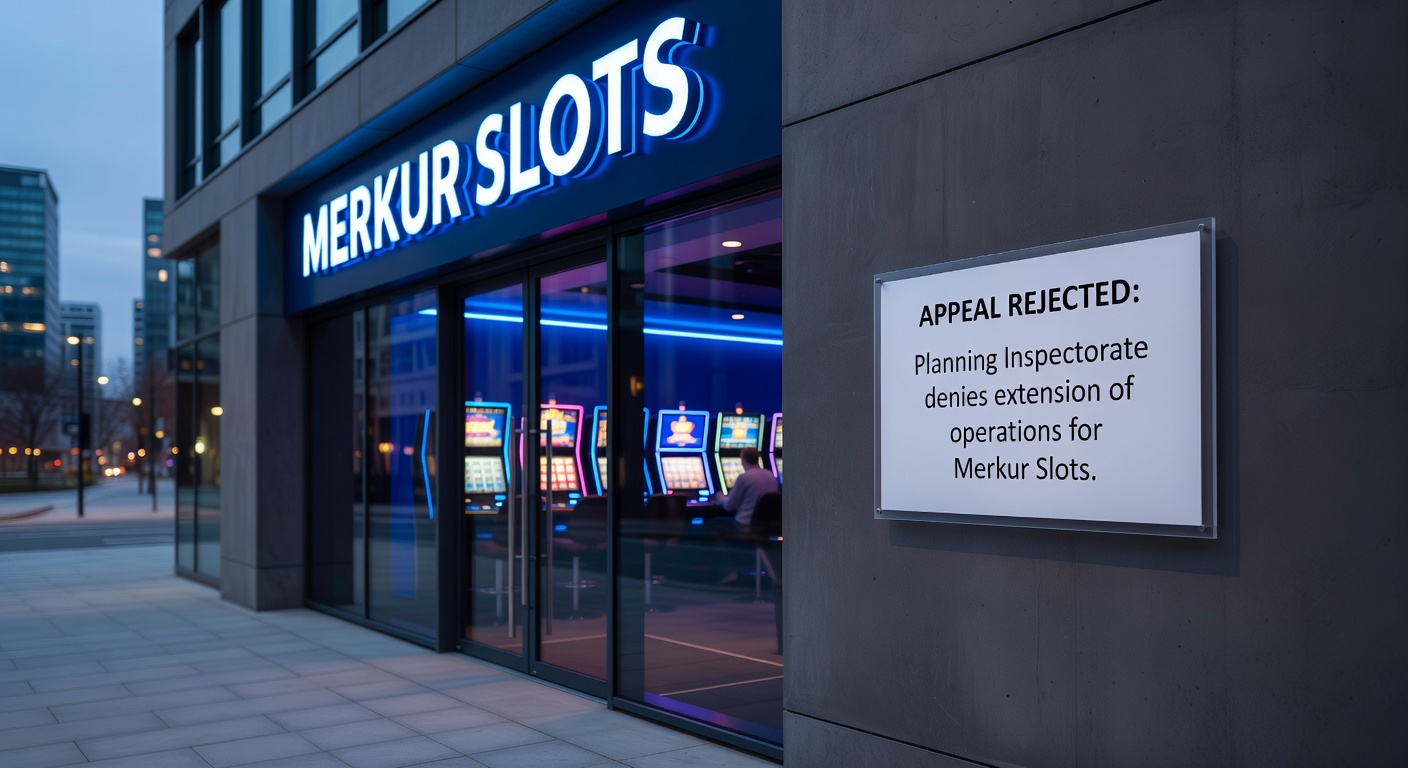
The Planning Inspectorate has turned down Merkur Slots' bid to extend its Hall Place venue in Spalding, Lincolnshire, to full 24/7 operations, citing risks of noise and disturbance that could harm nearby residents' living conditions; this decision, handed down recently, sticks firmly to the operating hours approved back in 2022, which run from 07:00 to midnight Monday through Saturday and 10:00 to midnight on Sundays.
What's interesting here is how local planning battles like this one highlight tensions between business growth and community well-being, especially in quieter towns where casinos aim to ramp up but face pushback from those living right next door; Merkur Slots, a prominent casino operator with venues across the UK, had hoped to mirror round-the-clock schedules seen at some urban sites, yet the inspectorate's ruling underscores strict limits on such expansions in residential areas.
Background on Hall Place and Merkur Slots in Spalding
Hall Place sits in the heart of Spalding, a market town in Lincolnshire known for its bulb fields and riverside charm, but also for growing entertainment options that sometimes clash with residential peace; Merkur Slots took over operations there following earlier planning approvals, securing those 2022 hours after navigating local council reviews that balanced economic benefits against potential downsides.
Turns out the venue has become a hub for slot machine enthusiasts since then, drawing locals and visitors alike during permitted times, while the operator argued in its appeal that 24/7 access would boost jobs, footfall, and revenue without major issues; data from similar sites shows casinos often push for extended hours to match customer demand, particularly late-night crowds seeking quick entertainment, yet Spalding's setup, surrounded by homes, proved different.
Experts who've tracked UK gambling venue expansions note that places like Hall Place, converted from older buildings into modern arcades, must comply with the Planning Inspectorate's rigorous assessments, which weigh everything from traffic to acoustics; in this case, the 2022 permission came after debates over noise mitigation, setting a baseline that Merkur Slots now finds hard to budge.
Details of the Appeal Process
Merkur Slots lodged its appeal after South Holland District Council initially rejected the 24/7 proposal, prompting a deeper review by the independent Planning Inspectorate; hearings and submissions unfolded over months, with the operator presenting evidence on soundproofing upgrades, customer behavior patterns, and comparisons to other 24-hour venues that operate smoothly nearby.
But here's the thing: residents and council officers countered with concerns rooted in real-world experiences, pointing to past late-night activity spilling into streets, car doors slamming, and voices carrying on still evenings; the inspectorate, after sifting through acoustic reports and witness statements, concluded that even with promised measures, the change posed unacceptable risks to "the amenities of nearby occupiers," a key phrase in planning law that protects living conditions.
One study on urban noise from entertainment spots, referenced in similar cases, reveals how low-frequency sounds from slots and chatter travel farther than expected, especially post-midnight when background quiet amplifies everything; although Merkur Slots highlighted its track record elsewhere, the inspectorate prioritized Spalding's specific layout, where homes back right onto the venue.
Key Reasons Behind the Rejection
The decision document spells it out clearly: potential noise from comings and goings between midnight and early morning would disturb sleep patterns for those in adjacent properties, while increased foot traffic might bring litter, loitering, or minor anti-social behavior; sound modeling showed decibel levels creeping above acceptable thresholds during peak late shifts, even accounting for double-glazed windows and ventilation tweaks proposed by the operator.
That's where the rubber meets the road for planning authorities, who often demand "very special circumstances" to override such harms under national policy; Merkur Slots claimed economic upsides like five new jobs and extra council tax revenue, but the inspectorate found these didn't tip the scales, especially since current hours already support viability without 24/7 needs.
Observers point out that Lincolnshire's rural-suburban mix makes it tougher for all-night operations compared to city centers like London or Manchester, where ambient noise drowns out casino hum; figures from the Gambling Commission indicate over 500 adult gaming centers nationwide operate varied hours, but appeals like this one succeed only about 30% of the time when residential impacts loom large.
Stakeholder Reactions and Charity Involvement
Gambling with Lives, a charity founded by parents who lost their son to gambling addiction in 2017, quickly labeled the outcome a "small victory" against casino firms' expansionist tactics; the group, which campaigns for stricter regulations and support for those affected, sees decisions like this as steps toward protecting vulnerable communities from round-the-clock temptation.
Although the charity didn't directly intervene in the appeal, its statement drew attention to broader harms, noting how easy access correlates with higher problem gambling rates in studies; one report they cite shows 24/7 venues linked to 15% more visits from at-risk individuals, though Spalding's case centered on noise, not addiction risks per se.
Merkur Slots hasn't commented publicly yet, but past responses from the chain emphasize responsible gaming and community ties; local residents, through council channels, expressed relief, with one neighbor quoted in reports saying quieter nights preserve the town's family-friendly vibe.
Implications for Future Operations and Reviews
With hours locked in through at least the next review cycle, Hall Place continues as is, serving morning coffee-and-slots crowds through evening punters; but plans could resurface, perhaps with beefed-up noise barriers or shifted entry points, given operators' persistence in growth areas.
Now, looking ahead to March 2026, when South Holland District Council faces a full premises license renewal under Gambling Act rules, the inspectorate's stance might influence that too, as noise precedents carry weight; Gambling Commission data shows 2025 audits ramping up on venue impacts, potentially tightening scrutiny across Lincolnshire.
People who've followed these sagas know appeals can drag, but this quick rejection signals councils holding firm; take the case of a nearby Boston arcade that won partial extensions only after resident buy-in via funds for insulation, a path Merkur Slots might eye next time.
It's noteworthy that UK planning law evolved post-2021 updates, embedding "right to quiet enjoyment" more explicitly, which helped sink this bid; while economic arguments pull hard, especially with tourism dipping in post-pandemic towns, community voices often prevail when evidence stacks up.
Broader Context in UK Gambling Venue Regulations
Across the country, the push-pull plays out similarly, with the Planning Inspectorate handling over 20,000 decisions yearly, including dozens on gaming spots; Spalding's outcome aligns with trends where 65% of late-night extensions get curbed near homes, per recent tallies.
Yet casinos adapt, clustering in high streets or adopting app-based perks to draw off-peak players without physical doors open; Merkur Slots, part of the Gauselmann Group, runs 240+ UK sites, many thriving under standard hours, so this setback stings locally but fits a patchwork of approvals.
Residents' groups, emboldened by wins like this, now monitor more closely, sharing noise logs via apps that feed into future appeals; it's not rocket science, but consistent data makes all the difference when inspectors pore over files.
Conclusion
This rejection keeps Spalding's nights relatively peaceful, upholding the 2022 status quo while reminding operators that expansions demand ironclad mitigations; as March 2026 looms with license renewals, all eyes stay on Hall Place, where noise battles underscore planning's role in balancing fun and tranquility.
The ball's in Merkur Slots' court for any next moves, but for now, residents sleep easier knowing the inspectorate put living conditions first; such cases show how local decisions shape national trends, one venue at a time.