Tracing Loyalty Benefits to Cross-Format Player Movements in Portable Casino Systems
Written by Morgan Krause · Sep 10, 2026
Tracing Loyalty Benefits to Cross-Format Player Movements in Portable Casino Systems
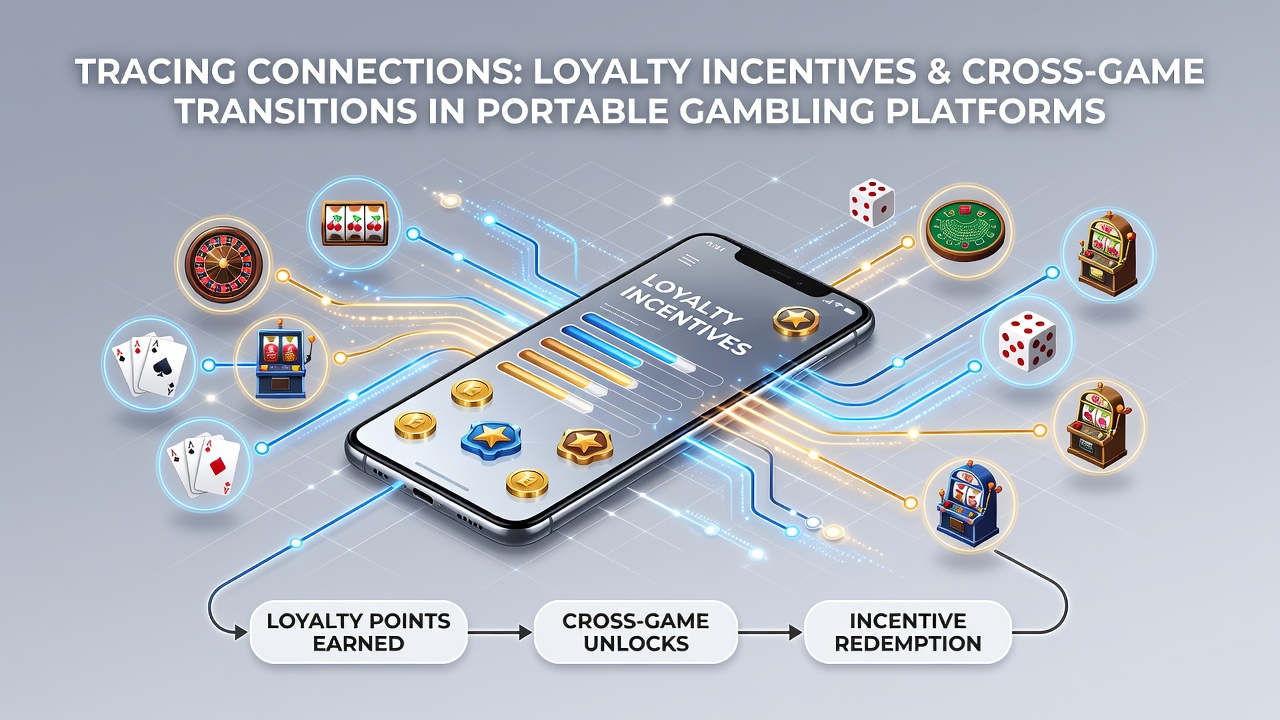
Portable gambling platforms have developed intricate loyalty structures that connect directly to how users move between different game types on smartphones and tablets. These systems track activity across slots, live dealer tables, and sports wagers, then convert that data into rewards which encourage further exploration of alternate formats. Data from multiple industry reports show that players who accumulate points in one category often receive targeted incentives to sample another, creating measurable shifts in engagement patterns.
Mechanics of Integrated Reward Tracking
Modern mobile applications record every spin, hand, or bet within a single account profile, allowing operators to assign points that apply across categories rather than isolating them to one game type. This unified approach means a user completing a slot session might unlock a bonus round for a live roulette table, while consistent sports bettors receive free spins that redirect attention back to the reels. Studies conducted by research teams at several universities indicate these cross-category redemptions increase session duration by linking separate activities into one continuous experience.
Operators adjust point values based on game volatility and house edge, so high-margin slots might award points at a different rate than low-margin sports markets. The result appears in user logs where individuals transition from one format to another within the same login period, often following the presentation of a personalized offer. September 2026 marks the scheduled rollout of updated player protection standards in several jurisdictions, which require clearer disclosure of how these reward mechanics influence game selection.
Observed Transition Patterns in User Data
Analysis of anonymized session records reveals recurring sequences: players frequently begin with slots during short mobile sessions, then move toward live dealer options when loyalty tiers unlock table bonuses. Sports betting appears later in teh sequence for many accounts, particularly when in-play promotions tie into existing point balances. Figures from the Australian Gambling Research Centre demonstrate that accounts reaching mid-tier loyalty status show a 34 percent rise in cross-category play compared with new registrants.
These movements do not occur randomly. Push notifications and in-app banners highlight available redemptions that match the user's current point total, directing attention to underused sections of the platform. One dataset examined by independent analysts found that sports wager volumes increased measurably on days when slot-derived loyalty credits became redeemable for live betting features.
Role of Tiered Programs in Sustaining Movement
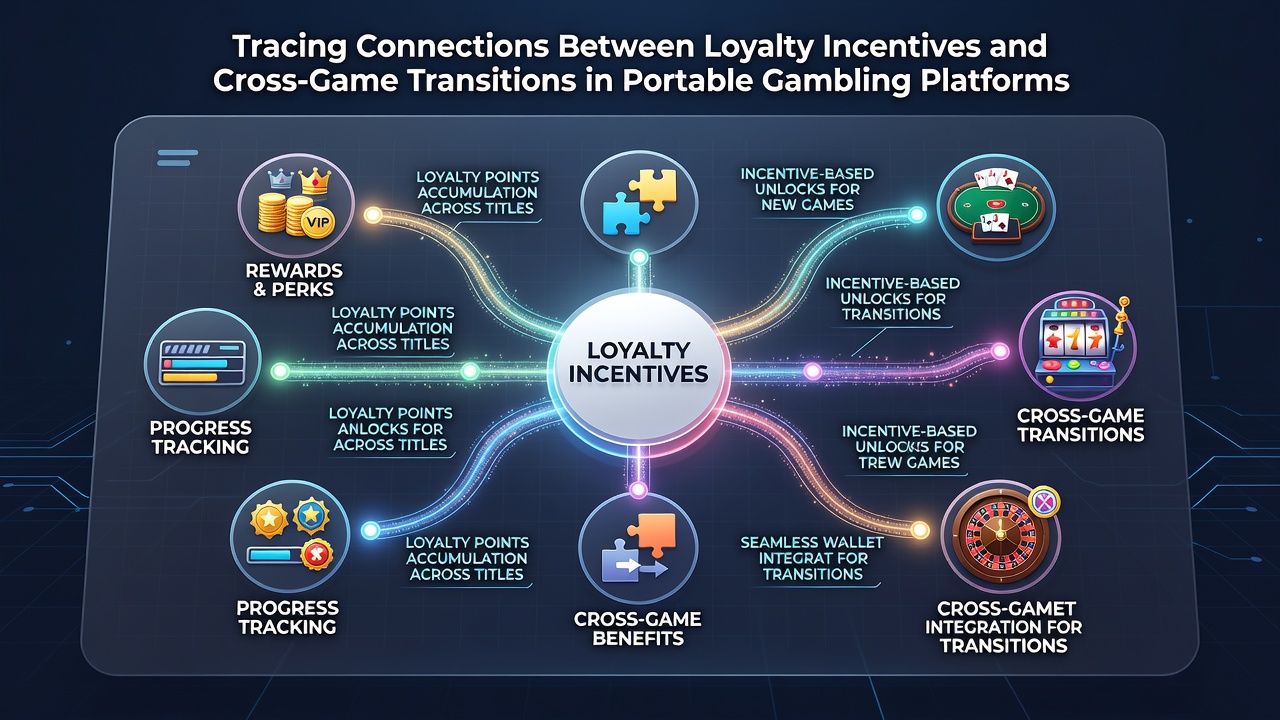
Tiered loyalty structures add another layer by granting escalating benefits that only activate after sustained activity across multiple formats. Silver-level members might access slot tournaments, while gold and platinum tiers open live casino cashback and enhanced sports odds. This progression model, documented in reports from the Nevada Gaming Control Board, correlates with longer-term retention because players must maintain activity in several areas to preserve or advance their status.
Seasonal events further accelerate transitions. Limited-time leaderboards that combine slot scores with sports prediction accuracy have appeared in several major apps, prompting users to sample formats they previously ignored. The structure ensures that points earned in one area contribute to overall ranking, creating an incentive for balanced participation rather than specialization in a single game type.
Regulatory Context and Platform Adjustments
Jurisdictions outside the United Kingdom have introduced requirements for transparent display of loyalty mechanics. The Ontario Lottery and Gaming Corporation now mandates that apps show point conversion rates before any cross-game offer appears. Similar rules in several European markets require operators to separate reward communications from direct deposit prompts. These changes affect how transitions are prompted, yet the underlying data connections between formats remain intact.
Platform developers respond by refining algorithms that predict which incentive will produce the next format shift for a given user profile. Testing conducted internally by several providers shows that timing these prompts immediately after a completed session yields higher conversion rates than random delivery. The approach relies on historical behavior rather than demographic assumptions, allowing the same system to function across different regions.
Conclusion
Loyalty incentives on portable gambling platforms function as connectors between distinct game formats, guiding users through slots, live tables, and sports betting within single accounts. Available data confirm that unified tracking systems and tiered rewards produce measurable movement across categories, while regulatory updates scheduled for September 2026 will require clearer presentation of these mechanisms. The patterns observed in session records and point-redemption logs illustrate a deliberate architectural choice rather than incidental user behavior.